

Read time:
Choosing between Diesel and Petrol isn’t just about fuel, the engine you choose does more than run your equipment, it shapes your productivity, costs and long-term results. From a 19th-century quest for fuel-efficiency, all the way to the modern job site, discover why Diesel remains the undisputed king of heavy-duty reliability.
When stepping onto major construction sites in South Africa, there’s a good chance you’ll hear the confident rumble of Diesel engines hard at work. While Petrol engines bring speed and convenience to job sites and everyday transport, Diesel quietly dominates heavy-duty performance. At Wenbro, we see this daily. From Generators to Rollers, Diesel continues to be a backbone, powering equipment, mining operations and vehicles across South Africa and the world. To understand the “why,” we have to look back at a revolutionary idea that changed engineering forever.
The Origins of Diesel: A Fuel Built for Efficiency
The story of Diesel begins in the late 19th century with Rudolf Diesel, a German engineer determined to solve one of the biggest inefficiencies of his time. Steam engines were notoriously wasteful, losing up to 90% of their heat. Diesel envisioned something radically better. In 1893, he introduced the concept of a “rational heat motor” and by 1897, he had built a working engine that used compression instead of a spark to ignite fuel. This breakthrough dramatically improved thermal efficiency, extracting far more usable energy from fuel than previous designs.
Diesel engines were originally developed to run on a variety of fuels, including vegetable oils, making them remarkably versatile from the time they were first introduced. The primary goal was efficiency, achieving more power with less fuel. This focus on energy conversion and durability is still what defines Diesel engines today.
Why Diesel Engines Were Invented
In simple terms, Diesel engines compress air to a much higher degree than Petrol engines. This high compression generates enough heat to ignite the fuel without the need for spark plugs, heating the air to a point where, when the fuel is finally injected, it ignites on contact. The result is a more controlled and powerful combustion process, which translates into better fuel efficiency and greater torque.
There’s also an interesting twist in fuel history. What we now call Diesel fuel was once considered a useless byproduct of refining crude oil. In the 19th century, refineries focused on kerosene and discarded the heavier fractions of crude oil. It was only after Diesel engines proved capable of using this fuel “byproduct” that it gained value, eventually becoming one of the most energy-dense and widely used fuels in the world.
For industries like construction, agriculture and mining, this innovation changed everything. Machines could now run longer, deliver more power and operate more reliably under demanding conditions.
Key Differences Between Diesel and Petrol Engines
Although both engine types convert fuel into mechanical energy, the way they achieve this differs significantly.
Combustion Process
Petrol engines use spark plugs to ignite a mixture of fuel and air. Diesel engines rely on high compression, where air is squeezed so tightly that temperatures exceed 400°C, causing fuel to ignite instantly. This is the core reason Diesel engines operate more efficiently.
Fuel Efficiency
Diesel contains more energy per litre and burns more slowly and completely. This results in lower fuel consumption, particularly in applications where engines run for extended periods.
Torque and Power Delivery
Diesel engines generate higher torque at lower speeds. This makes them ideal for heavy-duty equipment that requires consistent pulling or pushing power rather than quick bursts of speed.
Maintenance and Longevity
Because Diesel engines operate under higher pressure, they are built with stronger components. Thicker cylinder walls and robust construction contribute to longer lifespans and fewer breakdowns when maintained correctly.
Cost Considerations
While Diesel engines often come with a higher upfront cost, they tend to offer better long-term value through fuel savings, reduced downtime and durability.
The Benefits of Choosing Diesel
For demanding environments, Diesel is often the clear winner by design.
Superior Fuel Efficiency
Diesel engines can be significantly more fuel-efficient than Petrol alternatives, especially in continuous-use scenarios. Over time, this translates into meaningful cost savings.
Higher Torque for Heavy Workloads
Diesel delivers the kind of low-end power needed for tough jobs. Whether running a Generator or operating a roller, the engine doesn’t strain, it performs.
Durability and Reliability
Built to handle intense workloads, Diesel engines are known for their resilience. This reduces maintenance interruptions and keeps projects moving.
Safety Advantages
Diesel fuel is less volatile than Petrol, making it safer to store and handle on-site, an important consideration in industrial environments.
Diesel in Practice: Powering Wenbro Equipment
When we look at the benefits of Diesel, efficiency and torque are the clear winners. Because Diesel burns slower and more completely, it provides the torque needed for high mechanical output at low engine speeds. For a contractor running a Diesel engine for ten hours a day, Diesel can be 25-30% more fuel-efficient than a Petrol equivalent.
Choosing Diesel equipment means investing in performance that doesn’t falter under pressure. It means fewer refuelling stops, less downtime and equipment that performs without hesitation when the workload increases.
When it comes to choosing between Diesel or Petrol, what’s your priority for a long-duration project? The quick-start convenience of Petrol or the relentless endurance of Diesel?
Final Thoughts
The difference between Diesel and Petrol engines goes far beyond ignition methods. It reflects two distinct engineering philosophies, one prioritising efficiency and endurance, the other simplicity and speed.
Diesel engines were born out of a need for better efficiency and performance and they continue to deliver on that promise today. For industries that demand strength, reliability and long-term value, Diesel remains the engine of choice.
At Wenbro, we focus on providing equipment that works as hard as the people using it and this is where Diesel delivers without a doubt.
From high-torque Pumps to robust Generators, choosing the right power source is the first step toward a successful project.
Wenbro’s Diesel Equipment
-
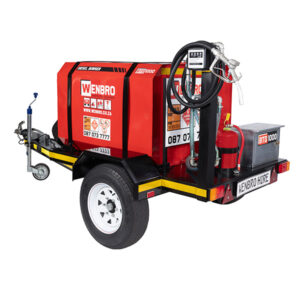
1 000L Diesel Bowser
R56 000.00 -
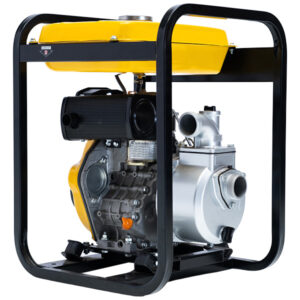
2″ Water Pump 4hp (Diesel)
R10 300.00 -
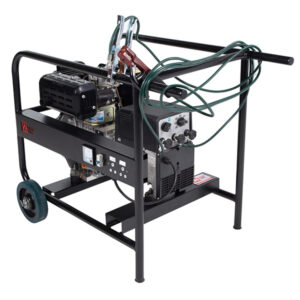
200Amp Welder Generator 7kVA Diesel (10hp)
R32 000.00 -
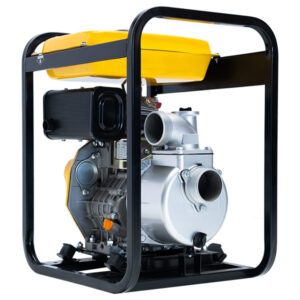
3″ Water Pump 4hp (Diesel)
R11 500.00 -
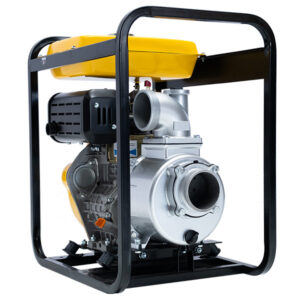
4″ Water Pump 10hp (Diesel)
R15 500.00 -
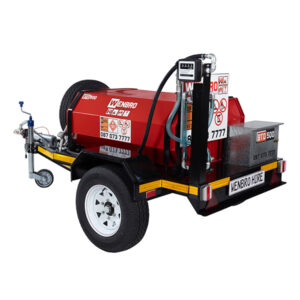
500L Diesel Bowser
R46 750.00 -
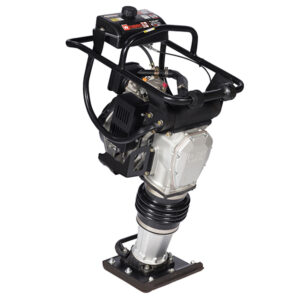
Wenbro Compaction Rammer – Diesel | 85kg
R32 000.00
FAQs
Routine maintenance includes regular oil changes, air and fuel filter replacements and checking coolant levels. Inspect belts, hoses and connections for wear. Keeping fuel clean and free from contamination is critical. Scheduled servicing based on operating hours ensures optimal performance, reduces breakdown risks and extends the lifespan of the equipment in demanding environments.
Service intervals depend on the manufacturer’s recommendations, the application of the engine and the specific conditions of the job site/location. On busy sites, inspections should be frequent and daily checks may be necessary. As a general rule, full servicing is typically required every 250 to 500 operating hours, however, harsh conditions like dust and heavy loads may require more frequent attention. Consistent servicing prevents minor issues from becoming costly failures.
Yes, Diesel equipment is designed for endurance and can operate continuously when properly maintained. It performs best under steady loads and extended use. Regular checks during operation, such as monitoring oil levels and temperature, are important. With proper care, Diesel machinery can run across multiple shifts with minimal downtime or performance loss.
Store Diesel in approved, clearly labelled containers in well-ventilated areas away from ignition sources. Use bunded storage to prevent spills and environmental contamination. Ensure proper handling procedures are followed, including spill kits and fire safety equipment on hand. Regularly inspect storage areas to maintain compliance with safety regulations and minimise risk.
Operator training is essential for safe and efficient use and can reduce the risk of damage and injury. Site Managers should ensure compliance with safety standards. Trained operators can identify early warning signs of issues and respond appropriately. Investing in training leads to better performance and longer equipment lifespan.