
Read time:
Fire presents a critical threat to agricultural operations. A single spark can destroy years of hard work, livestock and expensive machinery. Implementing a robust fire safety strategy and response plan is necessary to protect your team, livelihood, property and even your home. Below are seven practical guidelines to safeguard your farm or property against unexpected fire hazards.
1. Identify On-Site Fire Safety Hazards
Spotting risks early is your first line of defence against farm disasters. A thorough visual inspection should be a routine part of your farm management to protect your crew, livestock and infrastructure. Begin by locating common combustible materials like hay bales, dry feed and wooden pallets. These items must be stored safely and well away from direct heat and ignition sources.
Wenbro Wisdoms: Hay can spontaneously combust if baled with a moisture content above 20% due to heat-generating microbial activity.
You must also identify high-risk zones where Fuel, Fertilisers and Agrochemicals are kept. Ensure these storage areas are properly ventilated and secured against accidental sparks and unauthorised access. Finally, establish a defensible space around your buildings by clearing dry grass and brush, overgrown vegetation and dead wood from the perimeters of sheds and fields. This prevents external grass fires from spreading to your main facilities.
2. Safe Refuelling Protocols
Refuelling hot Tractors and other heavy machinery is a primary cause of agricultural fires. A strict cooling schedule prevents the sudden flash ignition of fuel vapours. Always mandate that machinery cools down for several minutes before adding fuel, as rushing this process puts both the operator and the equipment at severe risk.
Wenbro Wisdoms: Agricultural Safety Organisations recommend letting engines cool down for at least 15 minutes before refuelling to prevent exhaust manifolds from igniting the fuel.
When transferring liquids, use only approved Fuel Containers / Jerry Cans and stable Funnels to prevent hazardous spills. Even a minor fuel spill on a hot engine block can ignite instantly. Furthermore, strictly enforce a no-smoking policy near fuel stores. Never allow open flames, lighters or smoking near Diesel Bowsers or running Generators.
3. Hot Work (Slyp en Sweis) Management
Workshop grinding and field welding inevitably throw sparks that can smoulder in chaff or dust for hours or even spark an immediate flame. This makes post-work inspections a strict necessity rather than an optional precaution. Before starting any hot work, clear all dry crop and vegetation debris within a 10-metre radius of the work zone to remove readily available combustible materials.
During and after machinery repairs, maintain a dedicated fire watch to monitor for delayed ignition. Smouldering fires often go unnoticed until they erupt into uncontrollable flames. Additionally, use Flame-Resistant Blankets to shield nearby equipment and structural timber from stray sparks.
Wenbro Wisdoms: Fire watch is not a quick task. Be on the lookout for signs of ignition at least 30 to 60 minutes after hot work to ensure nothing is smouldering unnoticed.
4. Electrical Circuit Integrity
Power grids and electrical systems on farms and smallholdings are frequently pushed to their limits. Managing electrical loads actively prevents overheated wiring from starting fires behind the scenes. Avoid the dangerous practice of daisy-chaining multiple Extension Cords to power Heaters or heavy-duty tools. This overloads the circuit and causes the internal wiring to heat, melt and ignite.
Wenbro Wisdoms: Combatting rats takes a multi-pronged approach:
- Block all entryways with 6mm steel mesh.
- Spray wires with peppermint oil or use rodent-resistant tape.
- Clear a 1m buffer zone around equipment during storage.
- Control pests with predators, bait stations, and/or electric mats.
Inspect all visible cables daily for signs of pest damage, fraying or exposed internal components. Rodents frequently chew through insulation in farm buildings, creating hidden short-circuit risks. Keep all electrical connections elevated and completely clear of standing water or damp stalls to maintain circuit integrity.
5. Fire Extinguisher Mastery
Having the correct suppression equipment on site is useless if the operator hesitates during an emergency. Knowing precisely which extinguisher treats which type of fire saves critical seconds and stops small incidents from escalating. Ensure that Dry Powder Extinguishers are highly visible and readily accessible near fuel stores, workshops and chemical sheds.
Check the pressure gauges on all units monthly to guarantee they remain fully charged and ready for deployment. Finally, train every farmhand on the “Pull, Aim, Squeeze and Sweep” (PASS) technique. Regular equipment drills build muscle memory and ensure your staff can react confidently under pressure
Wenbro Wisdoms: A 1kg unit empties in less than 10 seconds. Rather get a 9kg DCP Extinguisher mounted with a steel bracket for your workshops, sheds, stores and heavy equipment.
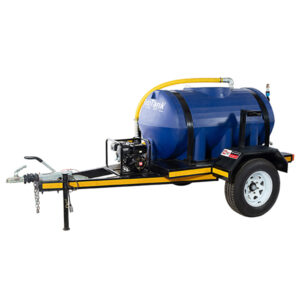
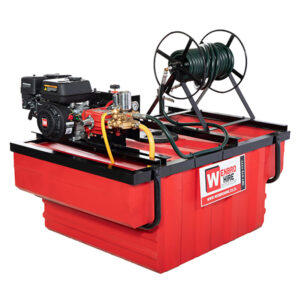
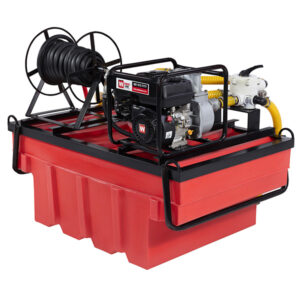
On farms, a speedy, easy-to-mobilise solution is critical to preventing runaway blazes. A Bakkie-Sakkie, or Mobile Fire Fighter, is designed to fit on the back of a bakkie, allowing you to quickly respond and fight or extinguish fires on the move. Designed for single-operator use, you don’t need a team to assist in emergencies. Using a High-Pressure Fire Fighter is your first defence, blasting accurate streams of water right at the core of a blaze to put it out quickly. To prevent flare-ups or fight large-area grass fires, Low-Pressure Fire Fighters deliver massive volumes of water to effectively quench fires and prevent future ones. Consider acquiring a 500L or 1 000L Water Bowser for added water capacity and refilling your Fire Fighter
6. Emergency Action Plan
Chaos is a significant threat during a sudden fire. A pre-defined, well-practised plan ensures that staff are evacuated swiftly and safely and livestock and assets are secured quickly and efficiently where possible. Establish a clear and safe assembly point situated well away from barns, silos and fuel storage. Communicate this location clearly to all permanent staff and temporary contractors.
Your emergency evacuation plan must be displayed prominently and extensively across your property.
Designate a reliable farm warden who is responsible for taking a roll call and accounting for all staff members during an evacuation.
Wenbro Wisdoms: Post local emergency contact numbers, your address and specific GPS coordinates prominently near all exits to expedite emergency response times. GPS coordinates are especially helpful for farms, given that they do not necessarily use traditional street addresses or are located on unmarked roads.
7. Daily Site Housekeeping
A tidy farm is inherently a safer farm. Managing daily waste eliminates the exact fuel a rogue spark needs to develop into a fast-moving wildfire. Dispose of oily rags and solvent-soaked cloths in sealed metal containers at the end of every shift to prevent spontaneous combustion.
Wenbro Wisdoms: Throwing away solvent-soaked or oily rags in normal trash is illegal. A full metal container must be filled with water and collected by a licensed hazardous waste removal service.
Sweep up loose chaff, spilt dry feed and discarded packaging from workspace floors regularly. Ensure that all building exits and equipment access points remain entirely unobstructed. Blocked pathways not only provide fuel for fires but also trap workers attempting to escape an emergency.
Get in Touch
Why Partner with Wenbro?
Wenbro stocks dependable, single-operator capable High-Pressure Firefighters and Low-Pressure Firefighters. These mobile units are designed to fit seamlessly onto the back of a bakkie, ensuring you are always equipped and ready to fight fires the moment they appear.
We provide reliable equipment you can depend on. Contact us today for trusted advice on our range of equipment useful for firefighting and prevention.
Wenbro’s Water Bowsers & Fire Fighters (Bakkie Sakkies)
FAQs
A basic visual fire risk assessment should be performed regularly as part of routine farm management. Additional inspections are recommended after harvesting, before fire season, after severe weather events, or whenever new equipment, buildings or storage areas are introduced.
Many agricultural insurance policies provide cover for fire damage to buildings, machinery, crops, and livestock. However, coverage varies between policies and insurers. Farmers should review their policy terms carefully and ensure their fire prevention measures meet any insurer requirements.
A farm emergency contact list should include local fire services, emergency medical services, police, utility providers, key farm personnel, neighbouring farmers, veterinarians, and equipment suppliers. The list should be easily accessible and updated regularly.
Water tanks can be an important resource during a fire emergency, but they are most effective when paired with suitable firefighting equipment, such as mobile firefighting units, pumps, hoses, and trained operators. The right combination depends on the size and layout of the farm.
Preparation should include clearing firebreaks, maintaining firefighting equipment, inspecting water supplies, removing excess vegetation around structures, training staff on emergency procedures and reviewing evacuation plans before fire season arrives.