Read time:
When your single-cylinder engine won’t start, keeps running and dying or keeps giving the same problem, here’s where to start troubleshooting before you call the professionals or spend unnecessary money.
Whether you’re on site or at home, an engine that won’t start or keeps cutting out is an incredibly frustrating and disruptive problem. Whether you’re doing some DIY gardening over the weekend or you’re on site trying to keep your project moving, Wenbro’s XX Guide has you covered with a few key tips to get your engine fired up and running smoothly again.
In short, an engine needs three things to run: A fuel source, a spark to ignite the fuel and air to feed the “fire”.
The founder and owner of Wenbro, Des Wentzel, took some time to give us tips on how you can troubleshoot your engine stoppages before you call for support. This guide walks you through three basic checks: Fuel, Air and Fire, along with a few other factors worth checking. Remember, you can always call on Wenbro if you’re not confident to diagnose and repair your own engine.
Step 1: Fuel
First thing’s first: if there is no fuel, your engine won’t run. Make sure there is fuel in the fuel tank, if need be, top up the tank to ensure you’re not running on fumes.
- Is there fuel in the tank? Always visually inspect the tank and confirm there is enough fuel.
- Remember to check that the fuel tap is open.
- Check your inline fuel filter to ensure it’s not causing a blockage.
- Make sure all fuel lines are clear and unkinked.
- Check if fuel is getting delivered from the fuel tank to the engine by taking the bowl off of the carburettor and checking that it’s running through.
- Check your float valve. If you lift it, the fuel should stop flowing. If you drop it, the fuel should flow.
- Check your butterfly valve: While checking your butterfly valve, move your choke and throttle levers; those flaps should pivot smoothly without sticking.
Ensure you have used the correct fuel and that fuel is clean and uncontaminated, this is a more common problem on-site than most operators expect.
- Make sure the correct fuel type has been used: putting petrol into a diesel engine, or vice versa, is a surprisingly common mistake.
- Drain all the fuel from the fuel tank into a transparent container.
- If you see water floating on top or sediment settled at the bottom, it confirms contamination.
If the fuel looks discoloured or cloudy, drain the fuel tank completely and replace the fuel before going further.
Petrol fuel in equipment that is left standing can degrade noticeably if stored for over 30 days, particularly in warm and/or humid conditions (like we experience in South Africa). Diesel can even develop algae and sludge if water has entered the tank or if it has been stored in a humid environment.
Step 2: Air – An Engine Needs to Breathe
If it can’t breathe, it will stall. A restricted air intake causes poor starting, loss of power, excessive fuel consumption and heavy smoke.
First steps:
- To check if your air filter is the cause of the problem, remove the air filter completely. If the engine starts running normally without it, you’ve likely found your problem. You may need clean to replace your air filter.
- Blow the air filters clean from the inside out, never from the outside in. Blowing from the outside forces contaminants deeper into the filter media.
- Be careful when using an air compressor to clean paper air filters, it’s easy to cause damage.
- While the filter is out, also check for physical blockages at the air intake itself. Mud, debris, rags or even insects can obstruct airflow, particularly on equipment that has been in storage.
- If you’ve cleaned the air filter and put it back, but the engine still won’t start, but removing the air filter lets the engine start, it’s time to replace the air filter.
If an engine has a two-stage air filtration system, start by removing both. If the problem clears, add the air filters back one by one to see which is preventing proper airflow.
- ⚠️ Don’t run the engine without air filters for too long. This is just to diagnose any problems with the air filter. You should never run your engine under load without an air filter.
- If the engine still won’t start or run after this check, the air system is likely not the issue.
Remember, dust is a common cause of air filter blockage, which is why it’s always best to use water as a dust prevention method. On dusty South African construction sites, air filters clog faster than most operators expect. A paper filter element should be tapped out and inspected carefully: if it’s torn, saturated or excessively dirty, replace it rather than cleaning it – damaged air filters can cause your engine sever damage. It’s simpler and more affordable to replace an air filter than an entire engine.
Step 3: Fire (Spark Plugs)
Petrol engines require working spark plugs to ignite the fuel. If you’ve checked the fuel and the air supply and the engine still won’t start, the ignition system is the final area you can check yourself.
Before wasting any time diagnosing spark plugs, always check the kill switch – it may be set to “Off”. A faulty or stuck kill switch is a commonly overlooked fault on smaller equipment. If the switch is intermittently shorting to earth, it will kill the spark even when it appears to be in the “Run” position. Once you’ve confirmed your switch is not the problem, proceed with the checks below.
- Pull out the spark plug lead with the spark plug still attached to the coil.
- Hold the plug body against anything metal, then pull the recoil starter (or crank the engine). Beware not to hold the spark plug itself, or you will get a shock.
- Check for a spark arching from the spark plug to your metal surface.
- A strong blue spark means it’s working. A weak orange spark, or no spark at all, means it’s time to replace the plug. Spark plugs are not expensive, it’s best to replace if you’re in doubt.
A plug that is fouled with oil, fuel or carbon deposits will also cause unreliable firing; compare its condition against a standard spark plug condition chart if one is available.
Even a new plug can cause starting problems if the electrode gap (the gap between your ground electrode and centre electrode) is set incorrectly.
Diesel engines use glow plugs rather than spark plugs. These aren’t as straightforward to DIY test on-site. It’s best to get a Diesel Mechanic to assist with diagnosis.
Other Factors
If you’ve worked through Fuel, Air and Fire and the engine still won’t start, here are a few more things to check before you call a mechanic or book your equipment in for professional repairs.
- For Electric Start Engines: Confirm the battery is charged, the battery terminals are in good condition and there is no damage to the wiring. A flat battery, corroded terminals and/or damaged wiring will result in starting issues.
- Ensure you’re using the recoil/pull-start correctly: Ensure your recoil starter is engaging correctly – pull the starter slowly until resistance is felt (compression). Allow the starter rope to return slightly if need be, then pull sharply with a smooth, strong motion.
- Check the oil levels. This should be done regularly and every time before running the engine.
- Most modern engines are fitted with low-oil-pressure sensors or low-oil-level switches that will prevent starting or cut the engine out during operation to prevent damage. Pull the dipstick and confirm the oil level is correct before attempting to restart; if it’s low, top it up with the correct grade oil as specified in the manual.
- Also check that all safety switches are correctly engaged: some engines/equipment have emergency stop buttons or operator-presence switches (sometimes called a dead-man switch or kill switch) that must be in the correct position before the engine will start.
If you’ve worked through this guide and the fault is still unresolved, our repair team has the in-house expertise to diagnose and fix faults. Wenbro carries spares for all equipment in our hire fleet and sales range. Remember, at Wenbro we don’t just service and repair our own equipment. We accept a wide range of other brands, makes and models.
Replacement Engines
In cases where the engine is beyond repair, Wenbro also stocks replacement engines; which can be a more cost-effective solution when your engine is nearing the end of its lifespan. Wenbro offers a range of engines, including 2-Stroke, Petrol and Diesel Engines, with both Tapered and Standard Parallel Shaft models. We also stock 2:1 and 6:1 Gear Reduction variants.
Wenbro Replacement Engines:
-
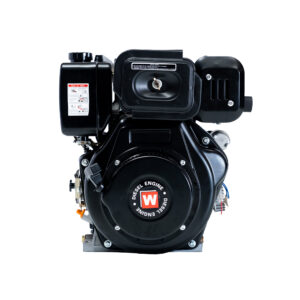
10hp Diesel Engine (Standard Shaft)
R11 500.00 -
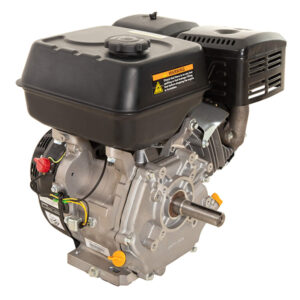
14hp Petrol Engine (Standard Shaft)
R5 800.00 -
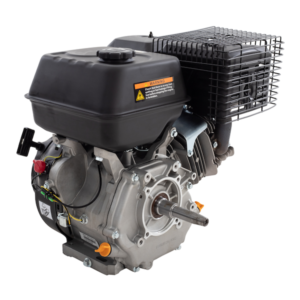
14hp Petrol Engine (Taper Shaft)
R6 300.00 -
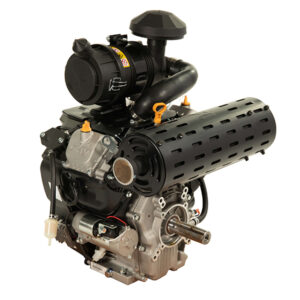
24hp Petrol Engine (Standard Shaft)
-
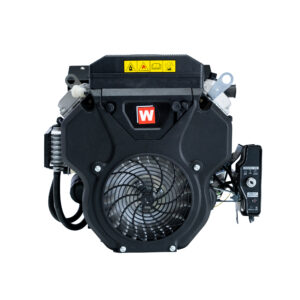
24hp Petrol Engine (Taper Shaft)
R19 100.00 -
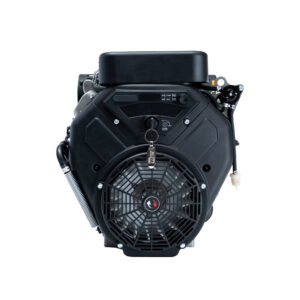
35hp Petrol Engine (Standard Shaft)
R38 000.00 -
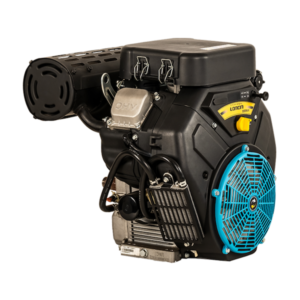
35hp Petrol Engine (Taper Shaft)
R39 000.00 -
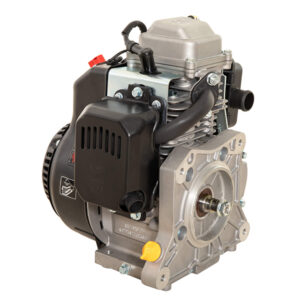
4 Stroke Rammer Engine (Petrol)
R7 400.00 -
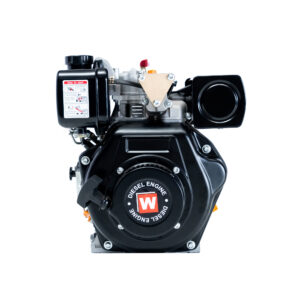
4hp Diesel Engine (Standard Shaft)
R9 750.00
Why Partner with Wenbro?
With over 3 decades of experience renting out, selling, repairing and manufacturing a wide range of petrol- and diesel-driven equipment, Wenbro has the expertise to help you diagnose and solve your engine problems, repair your equipment or handle your routine maintenance. Remember, Wenbro also stocks spares and components for all equipment and engines we sell, so you can purchase with confidence knowing you have the reliable after-sales support to match your equipment’s performance.
Book Your Maintenance or Repair Today
If you’d rather skip the troubleshooting, call Wenbro today to book a repair or service for your equipment.
Contact the Pretoria Branch:
📞 Call: 012 941 1888
📍Visit: 154 Buckle Street, Silverton, Pretoria, 0184
https://maps.app.goo.gl/Ab4rW5CKi7BxpXCe9
Contact the Polokwane Branch:
📞 Call: 015 297 2470
📍Visit: 18 Platinum Street, Polokwane Ext 17, Polokwane, 0700
https://maps.app.goo.gl/q3uwksLUbxkmsHX9A
Know someone who would find this article useful? Share it here: